Monday Night Class · Wednesday, October 7, 2026
Why Do They Hate Us?
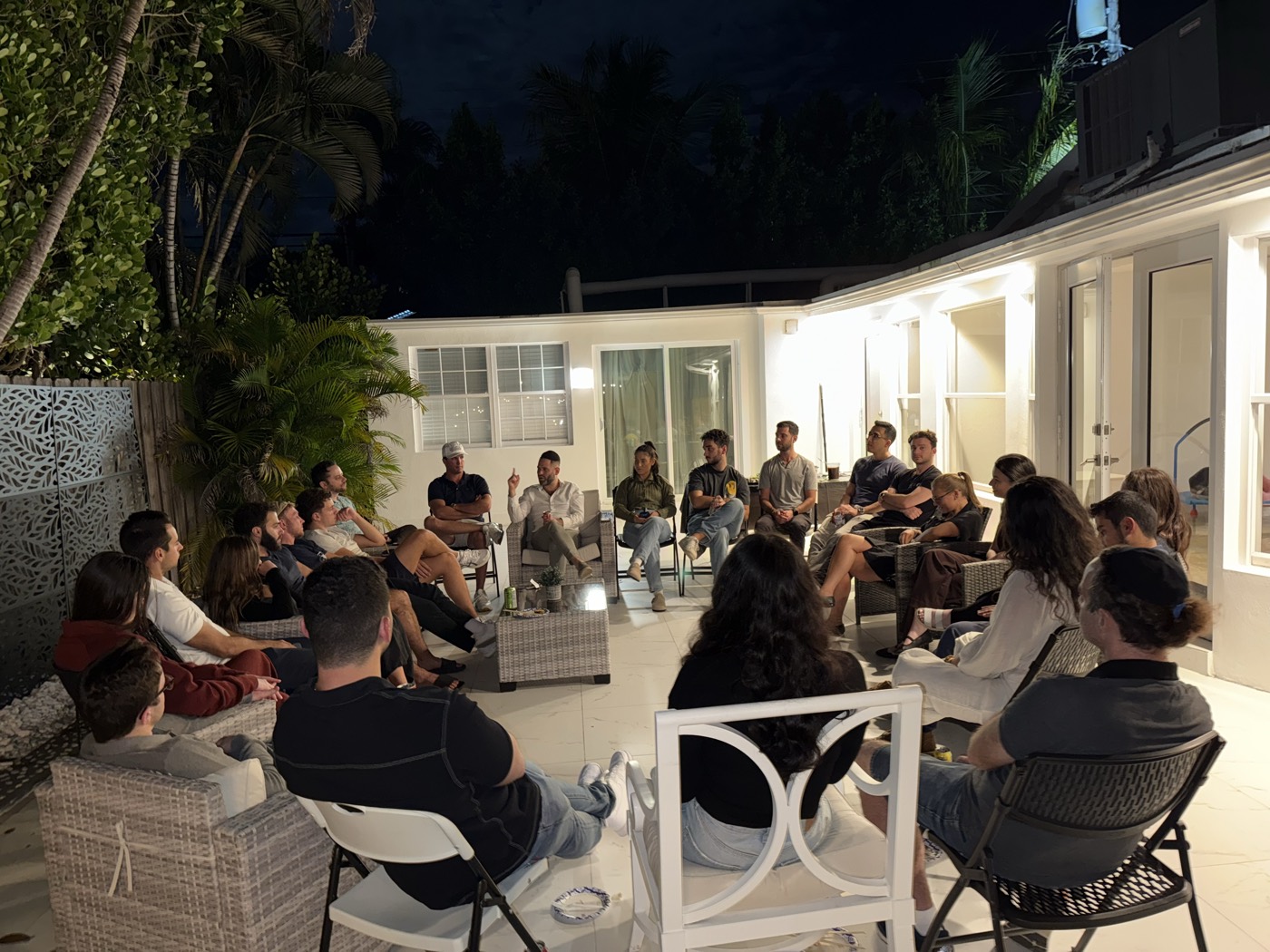
October 7 brings two questions with it. Why does the world hate the Jewish people? And how have we survived it, through every tragedy, when no other nation has? The Torah is the blueprint of the world, and it answers both at once.
Read the code
The Zohar says that Hashem looked into the Torah and created the world. The Torah is the blueprint of the world, so if we want to understand anything in the world, we look at the code. If antisemitism exists, it has to be written into the Torah, and Hashem programmed it there for a reason.
One root is the family feud between Yaakov and Esav, and with Yishmael, which runs through all of history. Another is Sinai. The Gemara says the mountain is called Sinai because hatred, sinah, came down from it to the nations of the world (Shabbos 89a). The two words are spelled with different letters, but the connection stands: the hatred comes from the fact that we have a role the nations do not.
Where it starts: Pharaoh
וַיֹּ֖אמֶר אֶל־עַמּ֑וֹ הִנֵּ֗ה עַ֚ם בְּנֵ֣י יִשְׂרָאֵ֔ל רַ֥ב וְעָצ֖וּם מִמֶּֽנּוּ׃
He announced to his people, "The Israelites are becoming too numerous and strong for us.
הָ֥בָה נִֽתְחַכְּמָ֖ה ל֑וֹ פֶּן־יִרְבֶּ֗ה וְהָיָ֞ה כִּֽי־תִקְרֶ֤אנָה מִלְחָמָה֙ וְנוֹסַ֤ף גַּם־הוּא֙ עַל־שֹׂ֣נְאֵ֔ינוּ וְנִלְחַם־בָּ֖נוּ וְעָלָ֥ה מִן־הָאָֽרֶץ׃
We must deal wisely with them. Otherwise, they may increase so much, that if there is war, they will join our enemies and fight against us, driving [us] from the land.t.'"
Until Egypt we were a family: Avraham, Yitzchak, Yaakov, the twelve tribes, seventy souls who went down to Egypt. The first time the Torah calls us a nation, the one who says it is Pharaoh. So the first time we are a nation is also the first time we are hated as one.
His claim, that we would overrun Egypt and drive the Egyptians out, made no sense. Everyone knew the promise Hashem made to Avraham, Yitzchak and Yaakov was the land of Canaan, and that we had come down to Egypt only because of a famine and wanted nothing more than to go home. That is the nature of antisemitism from its very first appearance: the hatred comes first, and the reasons are found for it afterwards.
The reasons keep changing; the hatred does not
In Europe there were the blood libels. A child would die, or be taken, and be placed in the synagogue, and the Jews would be accused of killing a Christian child and baking its blood into the matzah. The accusation became the excuse to go into the streets and kill Jews, again and again through Ashkenazi history. It was always baseless: "You shall not murder" is the most basic thing any Jew knows.
Today it is the same wheel with new reasons: we caused Corona, we caused October 7, the Holocaust never happened. Pick a reason. The hatred comes first and the reasons are placed on it afterwards, and the people who carry it out and the people who cheer it run on the same operating system.
Avraham's question
וְהֶאֱמִ֖ן בַּֽיהֹוָ֑ה וַיַּחְשְׁבֶ֥הָ לּ֖וֹ צְדָקָֽה׃
[Abram] believed in God, and He counted it as righteousness.
וַיֹּ֖אמֶר אֵלָ֑יו אֲנִ֣י יְהֹוָ֗ה אֲשֶׁ֤ר הוֹצֵאתִ֙יךָ֙ מֵא֣וּר כַּשְׂדִּ֔ים לָ֧תֶת לְךָ֛ אֶת־הָאָ֥רֶץ הַזֹּ֖את לְרִשְׁתָּֽהּ׃
[God] said to him, "I am God who took you out of Ur Casdim to give you this land as a possession.
וַיֹּאמַ֑ר אֲדֹנָ֣י יֱהֹוִ֔ה בַּמָּ֥ה אֵדַ֖ע כִּ֥י אִֽירָשֶֽׁנָּה׃
"0 Lord, God," replied [Abram], "How can I really know that it will be mine?"
To see why antisemitism exists, we go back to Avraham and the bris bein habesarim, the Covenant Between the Parts. Hashem promises Avraham that his descendants will inherit the land, and Avraham asks, "How will I know that I will inherit it?"
It sounds like doubt, but just before this the Torah says that Avraham believed in Hashem and Hashem counted it as righteousness, so the question cannot come from a lack of faith. Avraham is not asking whether Hashem will keep His word. He is asking how he can know that, thousands of years from now, there will still be one people, his children, to receive it. Every other nation has mixed into the world until no one can say where they come from, and nothing yet promised that his children would be different.
The answer: the world will remind us
וַיֹּ֣אמֶר לְאַבְרָ֗ם יָדֹ֨עַ תֵּדַ֜ע כִּי־גֵ֣ר ׀ יִהְיֶ֣ה זַרְעֲךָ֗ בְּאֶ֙רֶץ֙ לֹ֣א לָהֶ֔ם וַעֲבָד֖וּם וְעִנּ֣וּ אֹתָ֑ם אַרְבַּ֥ע מֵא֖וֹת שָׁנָֽה׃
[God] said to Abram, "Know for sure that your descendants will be foreigners in a land that is not theirs for 400 years. They will be enslaved and oppressed.
Hashem answers that Avraham's descendants will be strangers in a land that is not theirs, enslaved and oppressed for four hundred years. The Midrash teaches that Hashem showed Avraham not only Egypt but the exiles his children would go through in history (Bereishis Rabbah 44:17), and that is the answer to his question.
There are two ways the Jewish people stay one nation: by doing what we are here to do, or, when we loosen up and try to blend into the world, by the world reminding us that we are different. It was not only Hamas that reminded us on October 7; the world has reminded us every day since. Antisemitism is the net Hashem placed around us, and it is the promise that there will be a Jewish people at the end of days.
The world was made for the Torah
וַיַּ֤רְא אֱלֹהִים֙ אֶת־כׇּל־אֲשֶׁ֣ר עָשָׂ֔ה וְהִנֵּה־ט֖וֹב מְאֹ֑ד וַֽיְהִי־עֶ֥רֶב וַֽיְהִי־בֹ֖קֶר י֥וֹם הַשִּׁשִּֽׁי׃
God saw all that he had made, and behold, it was very good. It was evening and it was morning, the sixth day.
So what is the job of a Jew, that if we do it the world does not need to remind us? It starts at creation. Every other day is written without the article: "one day, a second day, a third day." Only the sixth gets the extra letter hei, "the sixth day," and in the Torah no letter is extra without a lesson.
Rashi gives two explanations, and they are not one idea said twice (Rashi on Bereshis 1:31). The second says that all of creation was "תלויים ועומדים עד יום הששי," hanging in suspense until the sixth: the sixth of Sivan, the day set for the giving of the Torah. That is about one moment. Creation waited until the year 2448, Israel stood at Sinai and accepted the Torah, and the suspense was over. From then on, the world Hashem made with ten utterances (Pirkei Avos 5:1) stood on the Torah.
The first explanation is a different idea, and it is in Rashi's words. The hei, whose value is five, was added at the completion of creation "to say that He made a condition with them," שהתנה עמהם, "that Israel take upon themselves the five books of the Torah." With them: with the works of creation. The Gemara Rashi draws on says it outright. Hashem made a condition with creation and said to it, "If Israel accepts the Torah, אתם מתקיימין, you will continue to exist, and if not, I will return you to tohu vavohu" (Shabbos 88a). The condition was not made with Israel. It was made with the world, about the world's own existence, and it has no "until." It is not a deadline that passed at Sinai. It is the terms on which the world goes on existing every day: that Israel take the Torah upon themselves and live by it.
The Gemara shows the world's stake from another side. In the future, when Hashem calls heaven and earth to testify that Israel kept the Torah, the nations object that heaven and earth are no impartial witnesses, because their own existence depends on it: "If not for My covenant day and night, I would not have set the laws of heaven and earth" (Yirmiyahu 33:25; Avodah Zarah 3a).
Built into nature
The Zohar teaches that each day of creation came with its own condition, so that every later miracle was arranged at the start: the waters, for example, were created on condition that they split before Israel at the Red Sea (Zohar 2:198b, brought in the Me'am Loez). Each part of creation has its own condition; the hei is the condition on all of creation together.
Now think about what a condition made with nature means. The core of nature is survival: everything in it, without any choice, does all it can to go on existing. And its existence hangs on one thing, Israel taking the Torah upon themselves. So all of nature is geared toward that. If Israel has not accepted the Torah, the world does everything it can to bring them to accept it. If they have accepted it and are keeping it, the world does everything it can to make it pleasant for them, so that they keep it up.
The Torah's blessings and curses show the same thing. Keep the Torah, and the land flows with milk and honey. Leave it, and the land spits you out.
The Gemara puts the mountain at Sinai and the condition side by side. Hashem held the mountain over Israel like a barrel and said, "If you accept the Torah, good, and if not, שם תהא קבורתכם, there will be your grave." Right after it, the Gemara explains the verse "the earth feared and was still" (Tehillim 76:9): the earth was afraid because of the condition with creation, until Israel accepted the Torah, and then it was calm (Shabbos 88a). The mountain was not a threat. It was the condition made visible. Hashem was showing Israel that there is no choice: the world is built so that if you do not accept the Torah, it will force you to accept it, and if you still do not, it will cease to exist.
That is true of the Jewish people as a whole and of every Jew alone. You can be what you are, or try not to be, and nature will bring you back. The Nazis made no distinction between one Jew and another; anyone with any Jewish lineage was taken.
A chariot for Hashem's presence
When Hashem came down at Sinai, 22,000 angels came down with Him, arranged in banners (brought in the Me'am Loez), and when Israel saw them, they longed for banners of their own. Hashem gave them banners: in the desert the tribes camped around the Mishkan, three on each side, and closest around it were the Levi'im, also 22,000 (Bamidbar 3:39).
The angels formed a merkavah, a chariot, a vessel that carries Hashem's presence. What Israel wanted at Sinai was to be that for the world, the people through whom Hashem's presence comes down into this world. That is the job of a Jew: to bring absolute truth into the world. Morality, justice and values come from the Jewish people; before the Torah, the generations before the Flood lived in a depravity we cannot imagine.
When a Jew who stands for something walks into a club, people feel uncomfortable. He has done nothing to them. He reminds them of a standard they feel they are not living up to, and they want to push that feeling away.
Responsibility
וַיֹּ֖אמֶר הָֽאָדָ֑ם הָֽאִשָּׁה֙ אֲשֶׁ֣ר נָתַ֣תָּה עִמָּדִ֔י הִ֛וא נָֽתְנָה־לִּ֥י מִן־הָעֵ֖ץ וָאֹכֵֽל׃
The man replied, "The woman that you gave to be with me—she gave me what I ate from the tree."
הִ֣וא מוּצֵ֗את וְהִ֨יא שָׁלְחָ֤ה אֶל־חָמִ֙יהָ֙ לֵאמֹ֔ר לְאִישׁ֙ אֲשֶׁר־אֵ֣לֶּה לּ֔וֹ אָנֹכִ֖י הָרָ֑ה וַתֹּ֙אמֶר֙ הַכֶּר־נָ֔א לְמִ֞י הַחֹתֶ֧מֶת וְהַפְּתִילִ֛ים וְהַמַּטֶּ֖ה הָאֵֽלֶּה׃
When she was being taken out, she sent [the security] to her father-inlaw with the message, "I am pregnant by the man who is the owner of these articles." [When Judah came to her,] she said, "If you would, identify [these objects]. Who is the owner of this seal, this wrap, and this staff?"
וַיַּכֵּ֣ר יְהוּדָ֗ה וַיֹּ֙אמֶר֙ צָֽדְקָ֣ה מִמֶּ֔נִּי כִּֽי־עַל־כֵּ֥ן לֹא־נְתַתִּ֖יהָ לְשֵׁלָ֣ה בְנִ֑י וְלֹֽא־יָסַ֥ף ע֖וֹד לְדַעְתָּֽהּ׃
Judah immediately recognized them. "She is more innocent than I am!" he said. "She did it because I did not give her to my son Shelah." He was not intimate with her anymore.
When Hashem asks Adam whether he ate from the tree, Adam answers that the woman Hashem gave him gave it to him. The first instinct the Torah shows us in a person who has done wrong is to deflect the blame.
The great leaders of Israel do the opposite. Tamar, on her way to be put to death, would not shame Yehudah in public; she sent him his pledges and said only, "Recognize, please, whose these are." And Yehudah, from whom the kings of Israel come, said in front of everyone, "Tzadkah mimeni, she is right; it is from me." Yonah, on a ship of idol worshippers in a storm about to break it apart, says, "I know that this great storm is upon you because of me" (Yonah 1:12).
The role of a Jew is to take responsibility: for the Jewish people, for our existence, and for the values of the Torah that we stand for. On a day like October 7 this is hard and sensitive to say, but it is the question each of us has to ask: What can I do better? Am I doing everything I can, as a Jew, to keep this from happening again? When each person takes responsibility, and the Jewish people take responsibility for what a Jew stands for, antisemitism falls away and the world turns to supporting us.
When we do our part, the world protects us
Three times a year every man went up to Jerusalem, for Pesach, Shavuos and Sukkos, and left the borders of the land undefended. The Torah promises, "No one will covet your land when you go up" (Shemos 34:24), and in all those years no enemy took the chance to invade. In the days of Shimon ben Shetach, the rain fell only on Tuesday and Friday nights, when no one was out, and the wheat grew as big as kidneys (Taanis 23a).
The same holds for each of us. When we are doing what we are here to do, Hashem starts connecting the dots and the sea starts to split. When we get distracted, nature reminds us.
The one thing to take away
If there is one thing to take from a destructive day to make it constructive, it is one word: responsibility.
English from The Living Torah by Rabbi Aryeh Kaplan, used with the permission of the Kaplan family. Hebrew: Miqra according to the Masorah (CC BY-SA).