Monday Night Class · Monday, October 19, 2026
What the Dove Said
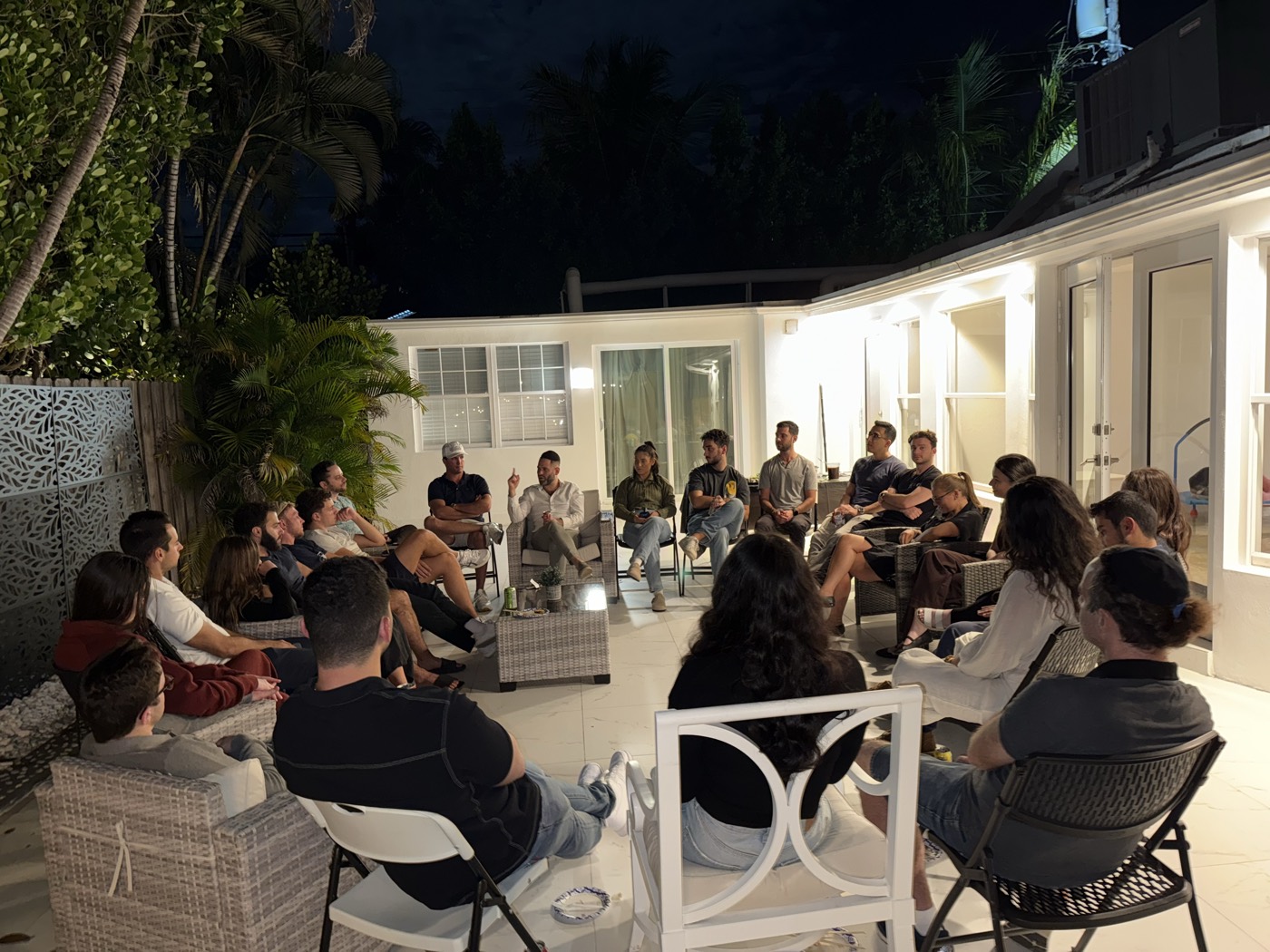
After a run through Parshas Noach, one question: what does a thing say just by being what it is? The dove that came back with an olive leaf never spoke, and still Noach understood her. The Maharal explains how, and it leads to what a neshama really is, and to why a husband who marries to give is counted as if he gave birth to his wife.
The parsha background— tap to read the review first
From creation to the flood
Parshas Bereshis took us from the six days of creation through Adam and Chava's sin, which brought death into the world, and Kayin killing Hevel. Then came the generations after them, and a slow slide away from Hashem.
Idolatry began with Enosh, which is why that generation is called Dor Enosh. It started out innocently, even with good intentions, but anything that isn't one hundred percent true veers off. People slowly forgot that Hashem created the world. In Enosh's days the ocean broke its bounds and flooded a third of the world, and from there humanity went down, all the way to the Great Flood.
Noach had two names. The world called him Noach, but his true name, known only to those close to him, was Menachem, "comforter". It was kept secret because there were masters of black magic then, who could have used their powers against the child if they knew his destiny (Yalkut 42).
Righteous in his generation
אֵ֚לֶּה תּוֹלְדֹ֣ת נֹ֔חַ נֹ֗חַ אִ֥ישׁ צַדִּ֛יק תָּמִ֥ים הָיָ֖ה בְּדֹֽרֹתָ֑יו אֶת־הָֽאֱלֹהִ֖ים הִֽתְהַלֶּךְ־נֹֽחַ׃
These are the chronicles of Noah: Noah was a righteous man, faultless') in his generation. Noah walked with God.
The parsha opens: Noach was a righteous man, faultless in his generation. What does "in his generation" mean? Picture being called the most righteous person in Brickell. Does it mean that even in Brickell you're still a good person? Or that you're the best of a bad lot, because everyone else is running after their tail?
The commentators bring both readings (Sanhedrin 108a; Rashi on 6:9). Either way he was a great man in his own generation, and had he lived among better people, they would have influenced him and he would have been even greater.
Chamas: robbery that became normal
וַתִּשָּׁחֵ֥ת הָאָ֖רֶץ לִפְנֵ֣י הָֽאֱלֹהִ֑ים וַתִּמָּלֵ֥א הָאָ֖רֶץ חָמָֽס׃
The world was corrupt before God, and the land was filled with crime."
וַיֹּ֨אמֶר אֱלֹהִ֜ים לְנֹ֗חַ קֵ֤ץ כׇּל־בָּשָׂר֙ בָּ֣א לְפָנַ֔י כִּֽי־מָלְאָ֥ה הָאָ֛רֶץ חָמָ֖ס מִפְּנֵיהֶ֑ם וְהִנְנִ֥י מַשְׁחִיתָ֖ם אֶת־הָאָֽרֶץ׃
God said to Noah, "The end of all flesh has come before Me. The world is filled with [man's] crime. I will therefore destroy them with the earth.
The generation was full of immorality. People did whatever they pleased and took whoever they pleased, someone else's wife, daughter or sister. But what sealed the decree was chamas.
Chamas is not plain theft; that is gezel or geneivah. It is robbery that has become the social standard: the way business is done and the way people deal with each other is stealing, and everyone is trying to squeeze as much money as he can out of everyone else. It wasn't only the act of stealing. It was the normal way of life.
It started from the top. The Torah says the earth was full of chamas "from their faces", and the "face" of a community is its leaders and nobles. They were worse than anyone, and everyone else learned from them: if the greatest of our generation are doing it, so will we. Even the judges were crooked. A crooked leadership made a crooked society (Me'am Loez).
What it looked like: a farmer brings his fruit to the market to make an honest living. People come by, ask the price, and start tasting while they haggle. They give some to their kids. By the time they're done they've eaten a whole basket, and then the price isn't right and they walk away. The ones who did buy paid with counterfeit money (Bereishis Rabbah 31:5). That was a normal day in the marketplace.
A hundred and twenty years of building
Noach was told to build the ark 120 years before the flood. Why did it take so long? So that people would see him and ask, "What is this man doing?" The building itself was a warning that this was serious.
A side lesson: there is something called leitzanus, stripping a thing of its value by making fun of it. The Torah is precious, so we don't make comics of it or memes about it. In the same way you don't make fun of your parents, you don't make fun of the people of the Torah.
A hidden name, and a man who stayed hidden
A good question (Ariel M.): if Noach's whole mission was public, 120 years of telling the world it would end unless people started living by values, why did he need a hidden name? It's a question to look into. The commentator who says he had a secret name still has to answer it.
One answer (Sarah Y.): maybe in a sense Noach stayed too hidden. He did his own work but didn't take it on himself to plead with people, and later in life he ends up drunk, which some explain as grief that he hadn't done enough to help others. Had he truly gone out to the world, he would have been in danger, and so he needed the hidden name.
The contrast is Moshe. At the end of Moshe's life he met the great men of every generation, and Noach said to him, "I'm greater than you. I survived the flood." Moshe answered, "Yes, you survived, but you survived alone. Why didn't you save your generation? I gave my very soul and saved all Israel" (Devarim Rabbah 11:3). Moshe carried the Jewish people through the golden calf and the desert and brought them to the Land of Israel. Noach built the ark, but he didn't go out and change the world.
The same contrast holds with Avraham, who went out and changed the world, while Noach saved eight people, himself included. The words show it: Noach walked with God, and Avraham walked ahead of Him (Rashi on 6:9). They came to Hashem from two different places. Avraham's way was through his own intelligence, discovering Hashem.
Og and the ark
Hashem saved Og, the giant. Before the flood there were giants, descended from angels who fell to earth, and Og was one of them: his grandfather was Shamchazai (Niddah 61a).
There are two views of how he survived. He walked alongside the ark, where the water was cool, or he sat on its roof and Noach passed him food through the window (Targum Yonasan; Zevachim 113b). Og didn't deserve to escape the flood, but Hashem kept him alive so that later the world would know His greatness (Zevachim 113b).
Before the flood, Og had been with Cham's wife, and she became pregnant. To hide it and make the child look like his own, Cham was with his wife in the ark, though it was forbidden. The son born was Sichon (Maharsha, Niddah; Bachya, Chukas), who with Og became one of the two kings on the borders of the Land of Israel whom the Jewish people conquered after forty years in the desert.
If you don't follow the view that the child was Sichon, you could say it was Canaan. That may be why Noach cursed Canaan and not Cham himself.
Into the ark
מִכֹּ֣ל ׀ הַבְּהֵמָ֣ה הַטְּהוֹרָ֗ה תִּֽקַּח־לְךָ֛ שִׁבְעָ֥ה שִׁבְעָ֖ה אִ֣ישׁ וְאִשְׁתּ֑וֹ וּמִן־הַבְּהֵמָ֡ה אֲ֠שֶׁ֠ר לֹ֣א טְהֹרָ֥ה הִ֛וא שְׁנַ֖יִם אִ֥ישׁ וְאִשְׁתּֽוֹ׃
Take seven pairs of every clean animal, each consisting of a male and its mate. Of every animal that is not clean, take two, a male and its mate.
Noach had to bring in a male and a female of every species in the world, and of the kosher species, seven males and seven females. How? By a miracle. Every creation has an angel in charge of it, even a blade of grass, an angel saying, "Grow, grow" (Bereishis Rabbah 10:6). Only four species have no angel, because Hashem oversees them Himself: the lulav, the esrog, the hadasim and the aravos (Me'am Loez). There is Kabbalah behind it, connected to Sukkos. The angels brought all the animals to the ark.
Then the flood was held back seven days so that Mesushelach could be properly mourned (Sanhedrin 108b). In those days Noach was out until the last minute trying to save people, and they made fun of him. Then Hashem had him go into the ark and sealed it.
Masses of people tried to break into the ark or overturn it. Lions came, surrounded the ark and tore many of them apart (Me'am Loez). It was a wild scene.
Forty days, and a solar year
בִּשְׁנַ֨ת שֵׁשׁ־מֵא֤וֹת שָׁנָה֙ לְחַיֵּי־נֹ֔חַ בַּחֹ֙דֶשׁ֙ הַשֵּׁנִ֔י בְּשִׁבְעָֽה־עָשָׂ֥ר י֖וֹם לַחֹ֑דֶשׁ בַּיּ֣וֹם הַזֶּ֗ה נִבְקְעוּ֙ כׇּֽל־מַעְיְנֹת֙*(בספרי ספרד ואשכנז מַעְיְנוֹת֙) תְּה֣וֹם רַבָּ֔ה וַאֲרֻבֹּ֥ת הַשָּׁמַ֖יִם נִפְתָּֽחוּ׃
It was in the 600th year of Noah's life, in the second month, on the 17th of the month. On that day all the wellsprings of the great deep burst forth and the floodgates of the heavens were opened.
חֲמֵ֨שׁ עֶשְׂרֵ֤ה אַמָּה֙ מִלְמַ֔עְלָה גָּבְר֖וּ הַמָּ֑יִם וַיְכֻסּ֖וּ הֶהָרִֽים׃
The waters had surged upward fifteen cubits and all the mountains were covered.
It rained forty days and forty nights. The springs of the deep burst up, many of them boiling hot, and the floodgates of heaven opened. After the forty days of rain, the water surged for another 150 days, and then it went down. The water stood fifteen cubits above the highest mountains.
Noach was in the ark a full year: 365 days, a solar year, though the Jewish calendar goes by the moon. Why a solar year? The people of the flood were so proud of their powers that they boasted they could keep the sun from rising, so their punishment was measured by the sun (Me'am Loez).
A year of work in the ark
Much later, Shem told Avraham's servant Eliezer what went on in the ark. Every animal eats at a different time, and Noach had to take care of every one of them, like a zookeeper: different animals, different times, the cages to clean. Noach and his sons worked around the clock for the whole year (Sanhedrin 108b).
One bird, the phoenix, hid in a corner. Noach asked why it wasn't asking for food, and it said, "I see how hard you're working. I didn't want to bother you." Noach blessed it that it should never die (Sanhedrin 108b). That may mean it lives forever, or that its species will never become extinct.
There's a law that you feed your animals before you eat yourself (Berachos 40a). Once Noach came late to feed the lion, and it bit his foot and crippled him for life (Tanchuma, Noach 9).
The raven
וַיְשַׁלַּ֖ח אֶת־הָֽעֹרֵ֑ב וַיֵּצֵ֤א יָצוֹא֙ וָשׁ֔וֹב עַד־יְבֹ֥שֶׁת הַמַּ֖יִם מֵעַ֥ל הָאָֽרֶץ׃
He sent out the raven, and it departed. It went back and forth until the water had dried up from the land's surface.
Toward the end of the year Noach sent out the raven. Why the raven? He didn't like it, because it had mated in the ark. Three had relations in the ark: Cham, the raven and the dog, each with its own kind (Sanhedrin 108b).
Before the flood many species interbred, just as the people did. Only animals that had never interbred were let into the ark (Me'am Loez). Some say the dinosaurs were such mixtures. Others say the fossils come from the worlds Hashem built and destroyed before this one, as the Kabbalah teaches (Bereishis Rabbah 3:7).
All three were punished. The raven has to mate through its beak, and the dog stays stuck to its mate afterward, which looks ridiculous and is embarrassing (Sanhedrin 108b).
The raven protested: "There are seven of every kosher bird. Why send me? You don't care about me?" Noach answered that he didn't, since it had mated in the ark. It flew back and forth, found a corpse and began to devour it, and Noach wouldn't let it back in. Hashem told him to take it back, because it would be needed later: when Eliyahu HaNavi was hiding from King Achav, the ravens brought him food from Yehoshafat's table (Me'am Loez).
A side point about birds: the Torah lists the birds that aren't kosher, but we don't know exactly what falls under each one. So we eat only birds that we have a tradition are kosher.
The dove and the olive leaf
וַתָּבֹ֨א אֵלָ֤יו הַיּוֹנָה֙ לְעֵ֣ת עֶ֔רֶב וְהִנֵּ֥ה עֲלֵה־זַ֖יִת טָרָ֣ף בְּפִ֑יהָ וַיֵּ֣דַע נֹ֔חַ כִּי־קַ֥לּוּ הַמַּ֖יִם מֵעַ֥ל הָאָֽרֶץ׃
The dove returned to him toward evening, and there was a freshly-plucked olive leaf in its beak. Noah then knew that the water had subsided from the earth.
Noach waited seven days and sent out the dove, a kosher bird, giving it better conditions. It came back, since there was no place to land. He waited another seven days, and this time the dove came back with an olive leaf.
Where did it find an olive tree? In the Land of Israel, which the flood never covered (Bereishis Rabbah 33:6). Its people didn't drown. They died from the heat of the boiling water, which turned the world into a furnace (Zevachim 113b).
An olive leaf is bitter, and the dove was sending a message: "Better my food be bitter like an olive and come from Hashem than sweet as honey and come from a person" (Sanhedrin 108b; Eruvin 18b).
That is how Noach knew the water had gone down. Had the dove still depended on him, it would never have been so brazen with him; it would have been a little nicer. After a whole year, Noach understood that the dove didn't need him anymore (Zevach HaShelamim).
Three fears, and Hashem's answers
וּמוֹרַאֲכֶ֤ם וְחִתְּכֶם֙ יִֽהְיֶ֔ה עַ֚ל כׇּל־חַיַּ֣ת הָאָ֔רֶץ וְעַ֖ל כׇּל־ע֣וֹף הַשָּׁמָ֑יִם בְּכֹל֩ אֲשֶׁ֨ר תִּרְמֹ֧שׂ הָֽאֲדָמָ֛ה וּֽבְכׇל־דְּגֵ֥י הַיָּ֖ם בְּיֶדְכֶ֥ם נִתָּֽנוּ׃
There shall be a fear and dread of you instilled in all the wild beasts of the earth, and all the birds of the sky, in all that will walk the land, and in all the fish of the sea. I have placed them in your hands.
כׇּל־רֶ֙מֶשׂ֙ אֲשֶׁ֣ר הוּא־חַ֔י לָכֶ֥ם יִהְיֶ֖ה לְאׇכְלָ֑ה כְּיֶ֣רֶק עֵ֔שֶׂב נָתַ֥תִּי לָכֶ֖ם אֶת־כֹּֽל׃
"Every moving thing that lives shall be to you as food. Like plant vegetation, I have [now] given you everything.
וְאַ֨ךְ אֶת־דִּמְכֶ֤ם לְנַפְשֹֽׁתֵיכֶם֙ אֶדְרֹ֔שׁ מִיַּ֥ד כׇּל־חַיָּ֖ה אֶדְרְשֶׁ֑נּוּ וּמִיַּ֣ד הָֽאָדָ֗ם מִיַּד֙ אִ֣ישׁ אָחִ֔יו אֶדְרֹ֖שׁ אֶת־נֶ֥פֶשׁ הָֽאָדָֽם׃
"Only of the blood of your own lives will I demand an account. I will demand [such] an account from the hand of every wild beast. From the hand of man-[even] from the hand of a man's own brother-! will demand an account of [every] human life.
Noach and his family left the ark and saw the whole world destroyed. They had three fears (Abarbanel). The animals far outnumbered them and would eat them. There was no food. And there was no authority, no police and no government, so people would kill each other, as Kayin killed Hevel.
Hashem answered each one. For food, they could now eat meat, which had been forbidden until then. For the killing, Hashem Himself would be the authority, and whoever kills a person will answer to Him. And the animals would fear people.
That's why the lizards run away when you walk outside. When a person acts like a person, the animals fear him. Once he becomes subhuman and stops acting like a person, they have the power to attack (Shabbos 151b). So someone attacked by an animal usually has to restore his tzuras adam, his humanity. The lion bit Noach in the ark, before this promise was given.
The vineyard
וַיָּ֥חֶל נֹ֖חַ אִ֣ישׁ הָֽאֲדָמָ֑ה וַיִּטַּ֖ע כָּֽרֶם׃
Noah began to be a man of the soil, and he planted a vineyard.
וַיֵּ֥שְׁתְּ מִן־הַיַּ֖יִן וַיִּשְׁכָּ֑ר וַיִּתְגַּ֖ל בְּת֥וֹךְ אׇהֳלֹֽה׃
He drank some of the wine, making himself drunk, and uncovered himself in the tent.
וַיֹּ֖אמֶר אָר֣וּר כְּנָ֑עַן עֶ֥בֶד עֲבָדִ֖ים יִֽהְיֶ֥ה לְאֶחָֽיו׃
He said, "Cursed is Canaan! He shall be a slave's slave to his brothers!"
The first thing Noach did was plant a vineyard. It grew so fast because he planted a vine from Gan Eden (Targum Yonasan). He made wine, got drunk, and lay uncovered in the tent.
Cham came in and saw his father, or some say Cham's son Canaan saw him first. Cham found it amusing, and he made a calculation. Adam had two sons, and one killed the other. Noach already had three, and with any more there would be war. So Cham castrated his father (Bereishis Rabbah 36:5; Sanhedrin 70a).
Cham told his brothers. Shem and Yefes walked in backward with a garment and covered their father. When Noach woke from his wine he knew what Cham had done, since Cham had already been with his wife in the ark (Me'am Loez).
Then Noach cursed Canaan, Cham's son, to be a slave of slaves. Why Canaan and not Cham? Hashem had already blessed Noach and his sons when they left the ark, so Noach could not curse Cham (Bereishis Rabbah 36:7). Also, Canaan was already born. A curse on Cham alone would reach only the children born after it, so Noach cursed Canaan, and the curse reached Cham's line (Ramban on 9:18).
The tower, and ten generations to Avram
וַיֹּאמְר֞וּ הָ֣בָה ׀ נִבְנֶה־לָּ֣נוּ עִ֗יר וּמִגְדָּל֙ וְרֹאשׁ֣וֹ בַשָּׁמַ֔יִם וְנַֽעֲשֶׂה־לָּ֖נוּ שֵׁ֑ם פֶּן־נָפ֖וּץ עַל־פְּנֵ֥י כׇל־הָאָֽרֶץ׃
They said, "Come, let us build ourselves a city, and a tower whose top shall reach the sky. Let us make ourselves a name, so that we will not be scattered all over the face of the earth."
Next the Torah lists the seventy nations that came from Noach's sons. The whole world spoke one language, and they built the Tower of Bavel.
The flood came in the year 1656 from creation, so they decided it must be a cycle, with a flood every 1656 years, like an ice age (Rashi on 11:1; Bereishis Rabbah 38:1). They built a tower to save themselves from the next one and to fight God, so to speak. Calling the flood a natural event and building a tower to prove it was a way of denying that Hashem has any power in the world, instead of working on themselves and seeing the purpose of their existence.
Then come the ten generations to Avraham, and Avraham is born.
"In its mouth": the dove spoke
וַתָּבֹ֨א אֵלָ֤יו הַיּוֹנָה֙ לְעֵ֣ת עֶ֔רֶב וְהִנֵּ֥ה עֲלֵה־זַ֖יִת טָרָ֣ף בְּפִ֑יהָ וַיֵּ֣דַע נֹ֔חַ כִּי־קַ֥לּוּ הַמַּ֖יִם מֵעַ֥ל הָאָֽרֶץ׃
The dove returned to him toward evening, and there was a freshly-plucked olive leaf in its beak. Noah then knew that the water had subsided from the earth.
Now one theme from the parsha, with the Maharal. It starts with the dove. The pasuk says the dove came back "and here, a plucked olive leaf in its mouth", טָרָף בְּפִיהָ. Where do we learn that the dove told Noach, "Better bitter food from Hashem than sweet food from you"? From בְּפִיהָ, "in its mouth". Why would the Torah stress that it carried the leaf in its mouth? How else would a dove carry it? So Chazal read "its mouth" as speech: with its mouth, it spoke to Noach (Rashi on 8:11; Eruvin 18b).
Rashi also says this dove was male. The Maharal explains why Noach sent the male: a male is a provider and therefore food home to the female. Had he sent a female and she found something to eat, she wouldn't have brought it back (Gur Aryeh on 8:11).
The Maharal: a thing speaks by its nature
But what does it mean that a dove spoke? Is Noach sitting there talking to animals? The Maharal answers: "The way its nature conducts it is called its 'saying'" (Gur Aryeh on 8:11). Noach didn't talk to animals. He understood the essence of the animal.
And what is the essence of a dove? "I'd rather eat something bitter than be caged up and fed by you." So if you have a bird at home, you might be advised to let it go. Imagine someone told you, "I'll cage you, but I'll feed you really good food all the time."
When the dove brought the leaf, Noach understood that she was saying something; there was a message being given over. When you understand the essence of something, it talks to you. Anyone who had a dog growing up knows this: he never spoke to you, but you knew what he wanted. You knew what he was telling you.
"And I am prayer"
וַיְהִי֩ בַיָּמִ֨ים הָֽרַבִּ֜ים הָהֵ֗ם וַיָּ֙מׇת֙ מֶ֣לֶךְ מִצְרַ֔יִם וַיֵּאָנְח֧וּ בְנֵֽי־יִשְׂרָאֵ֛ל מִן־הָעֲבֹדָ֖ה וַיִּזְעָ֑קוּ וַתַּ֧עַל שַׁוְעָתָ֛ם אֶל־הָאֱלֹהִ֖ים מִן־הָעֲבֹדָֽה׃
A long time then passed, and the king of Egypt died. The Israelites were still groaning because of their subjugation. When they cried out because of their slavery, their pleas went up before God.
וַנִּצְעַ֕ק אֶל־יְהֹוָ֖ה אֱלֹהֵ֣י אֲבֹתֵ֑ינוּ וַיִּשְׁמַ֤ע יְהֹוָה֙ אֶת־קֹלֵ֔נוּ וַיַּ֧רְא אֶת־עׇנְיֵ֛נוּ וְאֶת־עֲמָלֵ֖נוּ וְאֶֽת־לַחֲצֵֽנוּ׃
We cried out to God, Lord of our ancestors, and God heard our voice, seeing our suffering, our harsh labor, and our distress.
People say things by what they are too. Dovid HaMelech says, "And I am prayer." Not "I pray", but "I am prayer": there is an essence in him that is tefillah.
In Egypt, when the Jewish people were in pain, the Torah says they cried out, and their cry rose up to God. It doesn't say they cried out to Hashem. They just cried out, and there was a message coming from the essence of their existence. And Hashem listened. When the Torah retells it, it says, "We cried out to Hashem, and Hashem heard our voice." They weren't crying to Hashem, they were just crying out, and it counts as calling to Him.
Only a person has a neshama
כֹּ֡ל אֲשֶׁר֩ נִשְׁמַת־ר֨וּחַ חַיִּ֜ים בְּאַפָּ֗יו מִכֹּ֛ל אֲשֶׁ֥ר בֶּחָֽרָבָ֖ה מֵֽתוּ׃
Everything on dry land whose life was sustained by breathing died.
In the flood, the Torah says, everything died that had נִשְׁמַת רוּחַ חַיִּים in its nostrils, which sounds like "the soul of the spirit of life". That includes the animals. But how can the Torah say an animal has a neshama?
The Maharal says: a neshama, a soul, belongs only to a person. So when the pasuk speaks of animals, נִשְׁמַת רוּחַ חַיִּים means the breath of the spirit of life, a life force, and every living thing has that. Only a human being has a neshama (Gur Aryeh on 7:22).
Hear the person, not just the words
When you understand the essence of something, its nature, it talks to you and gives you messages. That goes for all of creation, and above all for people. When I talk to you, do you want to understand what I'm saying, or do you want to understand me? Those are two separate things.
People insult you, say crazy things, do crazy things. Teenagers say crazy things. What message do you take? Do you listen and decide this person is crazy, or do you ask what their existence, their essence, is announcing? A teenager doing crazy things is saying, "I'm becoming an adult and I don't know how to channel it. I need help. I need love, respect, independence, attention." But people get distracted by the words.
This is a key to success with people, in relationships and in life: peeling away layers. Stop being superficial. The more you run after superficial things as an end, the more superficial you become, and it plays out everywhere. Run after materialism and your relationships suffer, because it makes you a shallower person, and then you take everything your spouse says at face value. You hear the words and react to the words.
The right way is to get to the essence: what is this person trying to give over? A lot of fights in a marriage start because I understand the words you're saying and react to them, but I don't understand what you need. How do you get to the essence of things? Through the neshama.
What a neshama is: the power to know truth
What is the difference between a person and an animal, besides speech? Much of what makes us who we are isn't the neshama. Dogs have personality. Cats play. Animals have emotions: dogs cry, dogs miss people. Animals are even wise, and they hunt very wisely. So what about having a soul makes humans so different than animals?
The neshama is the ability to recognize truth. How do you know that what I've told you tonight is true? You don't have to take my word for it. The sources are open, and you can look them up for yourself. And there's a trail back to Mount Sinai, where three million people saw open miracles, and no one denied it for generations after. That is enough to say it's true.
Blind faith is a real thing, but it's a low level. The point here isn't emunah. It's that we have a built-in ability, an intuition, to discern what is true and what is not. Animals don't have it.
Self-awareness comes from there, and so does the ability to be self-critical. If you want to understand the essence of yourself, it is your neshama, a piece of God, which lets you tell whether something is true. You can smell something false. And only when you are in touch with your neshama can you understand the essence of the people and the world around you: this is what my spouse is trying to tell me, this is what they feel is lacking in our relationship.
Yiska and Sarah
וַיִּקַּ֨ח אַבְרָ֧ם וְנָח֛וֹר לָהֶ֖ם נָשִׁ֑ים שֵׁ֤ם אֵֽשֶׁת־אַבְרָם֙ שָׂרָ֔י וְשֵׁ֤ם אֵֽשֶׁת־נָחוֹר֙ מִלְכָּ֔ה בַּת־הָרָ֥ן אֲבִֽי־מִלְכָּ֖ה וַֽאֲבִ֥י יִסְכָּֽה׃
Abram and Nachor married. The name of Abram's wife was Sarai. The name of Nachor's wife was Milcah, the daughter of Haran (who was the father of Milcah and Yiscah).
To close, the same theme. The end of the parsha introduces Avram and Sarai, and the pasuk names Haran as the father of Milkah and of Yiska. Yiska is Sarah (Rashi on 11:29). Why was she called Yiska? From the word for seeing or gazing. People gazed at her beauty, and she could see with ruach hakodesh, the holy spirit. She was so great a prophetess that her name was Yiska (Rashi on 11:29).
Married, she is Sarai. Later, when she is able to have children, she becomes Sarah with a hei, and Avram becomes Avraham with a hei, the hei from Hashem's name (Bereshis 17:5, 17:15). Their essence changed. Sarah means ruler: she became a princess over the whole world (Berachos 13a). She went from Yiska, a great prophetess, to a level higher still.
As if he gave birth to her
Beyond what we said last week about understanding a marriage, this part is really for the men: a husband is in charge of his wife's existence, her essence. The Maharal brings it from Chazal: "Whoever marries a woman l'shem shamayim, for the sake of heaven, the Torah counts it as if he gave birth to her" (Sotah 12a).
So, the Maharal says, a woman has two births, one from her father and one to her husband. The husband gives his wife a complete existence, as form gives shape to matter (Gur Aryeh on 11:29). A woman can be successful before marriage. Once she marries, her husband's influence shapes the marriage and shapes her.
What does "for the sake of heaven" mean here? A person's purpose in this world is to perfect himself. Hashem wanted the woman to be as perfect as possible, so He made Chava from the place in Adam that would have no bad effect on her (Bereishis Rabbah 18:2). A woman starts out close to perfect. A Jew's job is to become like Hashem, and Hashem is chesed, a giver. When a man marries to be like Hashem with the intention to be a giver, only then it is as if he gave birth to her: he builds her to the next level. That's Sarah, who went from the greatest prophetess to ruler of the world. The Torah hints to the way Avraham treated Sarah - wherever he went, we see the respect he gave his wife.
The opposite is true too. A man who marries to take from his wife leaves her searching for her own identity: who am I? That causes trouble in a marriage. A man who says his wife is unintelligent or "doesn't get it" is really saying she doesn't think like a man, and he wants her to. He is taking from her.
When a man understands the greatness of his wife, marries to give to her and stays the provider, not trying to fill his own bucket, he builds her into a whole new existence, as if he birthed her. The gauge for a husband: how is my wife doing? Is she confident? Is she successful? If she is, you're doing a good job. If she's searching for her own identity, the husband is doing a bad job.
Back to the dove
It all comes down to this: do you understand the essence of things? The more you go with your intellect and identify with your neshama - which is the power to discern and be self-aware and know the truth about things, the more you see the world through different glasses. Everywhere around us everyday, you stop hearing only the words and understand the message: this person wants something, they don't know how to describe it, but they're telling you. That goes back to the bird. The dove wasn't speaking to Noach, but it spoke to him, and he understood.
So find the neshama within you: the part of you that can be self-aware and self-critical and can tell truth from falsehood. It is the greatest asset a human being has, and nothing else has it. Identify with it. Don't follow your instincts; harness them. They're very powerful, so let them fuel you, while you stay clear on your neshama and your intellect.
With this your communication with the world gets better. You understand the world better and your friends better. And in the biggest commitments of our lives, marriage and children, it makes everything more effective, more successful and more enjoyable, when you understand the essence of a marriage, the essence of your wife or your husband, and how to make it better.
The one thing to take away
Find your neshama, the part of you that knows truth and can look at yourself honestly, and use it to hear what people and all of existence are really telling you.
English from The Living Torah by Rabbi Aryeh Kaplan, used with the permission of the Kaplan family. Hebrew: Miqra according to the Masorah (CC BY-SA).